Fine dining usually describes a restaurant experience that gives close attention to the cooking, the way a meal is served and the setting in which you eat. The menu, pace and level of formality vary between restaurants; the term alone does not specify one fixed format.
For a diner, the useful questions are what you will eat, how the meal is organised and whether that experience suits your occasion. This guide explains the common characteristics, menu choices, people you may meet and practical differences between evenings.
What Makes a Restaurant Fine Dining
Think of the food, service and setting together. Care in choosing ingredients and preparing dishes is one part. Clear explanations, comfortable service and a room suited to the restaurant’s style help shape the experience around the plate.
Common characteristics can include:
- Cooking that gives attention to flavour, texture and presentation
- Service that explains the menu and supports the meal
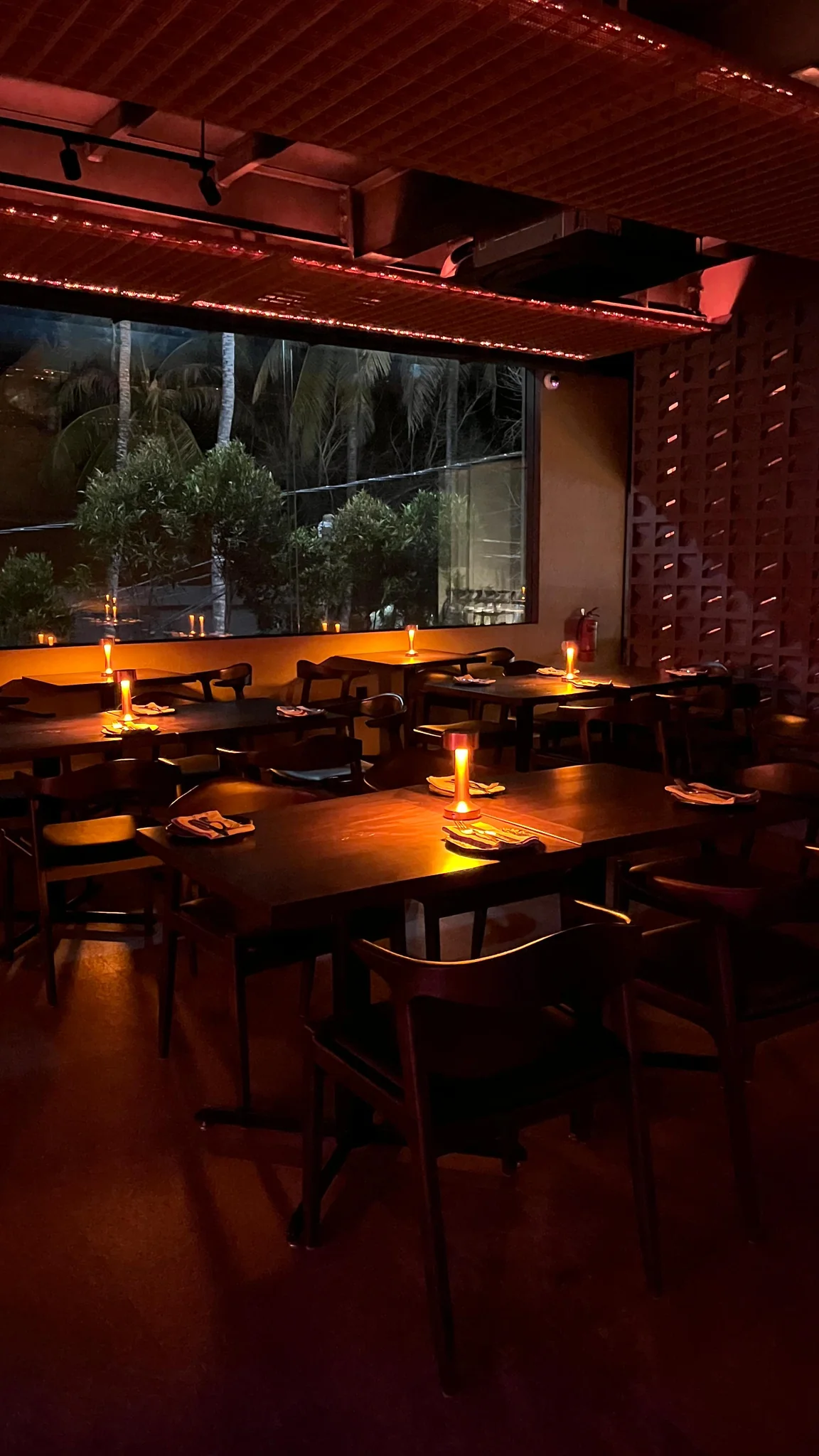
- A considered setting, from table layout to lighting
- Food and drink choices that work with the restaurant’s approach
These characteristics can appear in different forms. One restaurant might offer a set sequence of dishes; another lets you choose individual courses. Formality and menu length tell you about the particular evening, rather than establishing a universal qualification.
What Fine Dining Food Is Like
Look for how the elements of a dish work together: the main ingredient, sauce, accompaniments and preparation. A simple-looking plate can give a clear sense of a chef’s cooking, while a more elaborate one can combine several techniques. The menu description helps you choose what appeals to you.
À la carte means choosing individual dishes from the menu. A set menu groups dishes into an offered meal, while a tasting menu follows a sequence selected by the kitchen. For your appetite, consider the whole order or sequence rather than treating the size of one course as the definition of the experience.
Who Does What in the Dining Room
The tasks around your table include welcoming and seating guests, taking orders, explaining dishes and drinks, and bringing or clearing plates. A restaurant may divide those tasks between several people or have one person handle more of the visit.
You might meet a host at arrival, a server for the table and a specialist for wine. Use those roles to find the help you need: seating arrangements at arrival, food questions while ordering and drink preferences before choosing a bottle or glass. Job titles and staffing structures differ, so the experience does not depend on meeting a fixed hierarchy.
How Fine Dining Service Works
The menu format gives the meal its starting structure. With an à la carte menu, you choose the dishes for your meal. With a tasting menu, the restaurant sets a sequence. Service may include descriptions of the dishes, drink suggestions and changes to the table setting as courses arrive.
Mention dietary requirements before ordering so they can be considered with the actual menu. If you have another commitment afterwards, give the restaurant that timing early. Those details are more useful than assuming that every meal has the same length or serving routine.
For a formal place setting organised around courses, the outside-in approach follows the menu: begin with the utensils for the first course and move inward. Other utensils may arrive with their dish. Our fine dining table manners guide covers the table conventions in more detail.
What to Wear to a Fine Dining Restaurant
Use the restaurant’s published dress code as your starting point, then choose clean, well-fitting clothes for that level of formality. A shirt, dress, tailored trousers or smart separates can be useful options; the venue’s own requirements determine the finished choice.
Apply the same approach to footwear and any specific clothing restrictions. Climate alone does not establish a dress code. For help translating the options into an outfit, read what to wear to fine dining.
What a Fine Dining Evening Looks Like
An à la carte evening might be a drink, a starter and main, then dessert if you want it. A tasting-menu evening instead follows the offered sequence, with drinks chosen separately or through an available pairing. Those are different ways to organise the meal, rather than steps every restaurant must follow.
Choose the format that fits the time you want to spend and the food you want to try. An early booking or a later one tells you the arrival time, but the restaurant’s programme and menu determine the experience after that.
When Fine Dining Is Worth Choosing
Choose it when attention to the meal is part of the occasion: trying a kitchen’s cooking, marking an anniversary or spending time over dinner. Decide whether you want control over individual dish choices or the offered sequence of a tasting menu.
Build the budget around that choice, including drinks and any extras you intend to order. Our guide to what fine dining costs explains those parts of the bill. A higher price by itself does not tell you which menu or atmosphere you will enjoy.
Common Questions About Fine Dining
What does fine dining mean?
It usually describes close attention to the food, service and setting of a restaurant meal. The level of formality and the menu format vary.
What is a fine dining restaurant?
It is a restaurant offering that considered dining experience. Its menu may involve individual dish choices, a set meal or a tasting sequence; there is no single required arrangement described by the term.
What is fine dining food?
It is the food within that experience, with attention to ingredients, preparation, flavour and presentation. A particular cuisine, portion size or plating style does not define every restaurant.
What constitutes fine dining?
The cooking, service and setting work together. The practical details come from the particular restaurant’s menu and approach, rather than price alone.
What do you wear to fine dining?
Dress for the restaurant’s own code. Choose clean, well-fitting clothing and suitable footwear at the requested level of formality.
The Short Version
Choose the experience by its actual offering:
- Consider the cooking, service and setting together
- Distinguish individual menu choices from a set or tasting sequence
- Choose the format for your appetite, budget and occasion
- Use the restaurant’s stated dress code
- Treat formal table conventions as guidance for that setting
For a dining option in Kuta Lombok, explore fine dining in Lombok at Soirée Music Bar & Dining on Jl. Mawun, open daily from 7am to midnight. Our other Kuta Lombok guides cover more of the town.